Removals in Pimlico for homes, flats and workplaces

We provide removals in Pimlico for households and businesses that need a careful, orderly move with the right vehicle, the right loading approach and clear planning. Whether you are moving from a compact flat, a town house or an office suite, the focus is on keeping belongings organised and handling them sensibly from collection through to delivery. Our removal services are suited to straightforward local moves as well as more involved days with access issues, mixed furniture and several drop-off points.
Pimlico is often part of moves where space, timing and access all need thought. Narrow streets, shared entrances and upper-floor properties can make a difference to the way a removal is arranged, so it helps to plan the vehicle, manpower and packing method around the property rather than forcing the same approach on every job. We work with the practical details that matter most: what is being moved, how it is packed, where it is coming from and where it needs to go. Good removals begin with clear information, and the aim is to make the move feel controlled rather than rushed.
Alongside the main move itself, we can help with the choices that often shape the day, including packing support, furniture handling and storage arrangements where needed. If you already know which rooms, items or floors are involved, that makes it easier to scope the work properly; if not, a simple description is still a useful starting point. Use the site pages to compare options, then request a quotation when you are ready.
House and flat removals planned around your property
House and flat removals in Pimlico usually depend on how much needs to move, how the furniture is arranged and whether the property has lift access or stairs. A well-planned removal reduces handling, protects walls and doorways, and keeps items grouped so they are easier to place at the other end. For smaller homes and apartments, our flat removals page is a useful place to look when you need a practical approach for a compact property.
For larger homes, the emphasis often shifts to sequencing. Heavy furniture, wardrobes, beds, white goods and boxed contents may need different treatment, and it is sensible to think about what should be dismantled, wrapped or carried separately. Our house removals service covers the broader move process for domestic properties, while house removalists describes the handling side in more detail for customers who want support with the loading and transport stage. We aim to keep the work orderly without making it more complicated than necessary.
What tends to shape the move
- How many rooms and floors are involved
- Whether the furniture can be carried fully assembled
- If any items need dismantling or special care
- How close the vehicle can get to the entrance
- Whether the destination needs careful placement of larger pieces
Packing support, boxes and unpacking

Packing affects almost every part of a removal, because the way things are boxed and wrapped changes how safely they travel and how quickly they can be unloaded. If you want help before moving day, our packing and boxes page covers the materials and preparation side, including the use of suitable cartons for different household items. Packing is not only about speed; it is also about keeping contents grouped in a way that makes sense for loading and setting up again later.
Some customers want help with the physical packing of rooms, while others only need advice on what to prepare beforehand. In either case, it is helpful to separate breakables, label boxes by room and make sure essential items are kept accessible. Where unpacking support is needed after delivery, our packing and unpacking services page explains how the process can continue once the load reaches the new property. The benefit is a move that feels less scattered and easier to settle into.
When preparing for a quotation, a short list is often enough to begin with: the number of rooms, the main furniture pieces, whether you need boxes, and whether there are fragile or awkward items. Photos can be useful too, especially for staircases, hallways or large furniture that may affect access. If you already have a rough inventory, you can use it to keep the scope realistic. Clear packing notes lead to better planning, even before the final move details are agreed.
Furniture, specialist items and careful lifting
Not every move is simply about transporting boxed possessions. Tables, beds, wardrobes, sofas and cabinet pieces often need a more measured approach because their shape, finish and weight affect how they can be carried. Our furniture removals page is relevant when you need individual items or a partial household move handled with attention to condition and positioning. We think in terms of safe lifting, sensible wrapping and practical loading rather than trying to treat every piece the same way.
Some items deserve extra planning because they are heavy, delicate or awkwardly balanced. For example, a piano, large mirror, antique cabinet or oversized sideboard may need different handling from standard furniture. Where the item itself creates the challenge, our piano removals page is the right place to review the specialist service. Even when a job does not involve a specialist instrument, it is still worth checking whether any pieces need protection, dismantling or a two-person carry.
Customers often ask what makes a furniture move smoother. The answer is usually a combination of accurate descriptions, clear access and the right lifting plan. A solid route from property to vehicle matters just as much as the item itself, especially where doors, corners or shared entrances are tight. Our approach is to match the handling method to the furniture rather than forcing a generic process onto every object.
Office removals and business relocation work

Office removals in Pimlico call for organisation as well as transport, because workspaces contain furniture, filing, technology and sometimes confidential items that need to be kept in order. We handle business moves with an eye on minimising confusion around desks, chairs, storage units and boxed equipment. For a fuller overview, see our office removals page, which explains how commercial move work is approached with practical attention to planning and loading.
Where a company is changing premises rather than simply moving a few items, the scope may include more than the transport of desks. Meeting-room furniture, archive boxes and shared items all need a place in the sequence, and timing may have to fit around opening hours or access restrictions. Our office relocation services page is relevant when the move is part of a broader relocation rather than a simple clearance. The key is to keep the move structured so that the destination remains usable once delivery is complete.
Common considerations for business moves include safeguarding equipment, separating departments or rooms, and making sure essential items are easy to identify when they arrive. It can also help to decide in advance which pieces should be taken first and which can wait until later in the day. A commercial move rarely benefits from guesswork, so a good description of the premises and inventory is usually the best starting point.
Vehicle choice, loading method and flexible collection options
The vehicle and loading method should suit the move rather than the other way around. For some customers, a van is enough; for others, a larger removal vehicle is more appropriate because the furniture, boxes and access conditions demand more space. Our removal van and moving truck pages help explain the difference in approach, especially where the load needs more room or where repeated trips would make the day less efficient.
There are also moves that involve one or two larger pieces rather than a full house load. In that case, a collection-focused service can be more sensible than arranging a full removal vehicle for a smaller job. Our furniture pick-up page is useful if you mainly need items collected and delivered elsewhere, while man and van and man with a van describe flexible options for lighter or mixed loads. These are practical choices when the move is modest but still needs proper handling.
Size, access and destination all matter when choosing the right collection method. A narrow staircase, a tight parking point or a top-floor property can change the best option even if the actual volume is not large. Matching the vehicle to the work helps keep the move efficient, prevents avoidable handling and avoids over-ordering capacity that is not needed.
About Pimlico
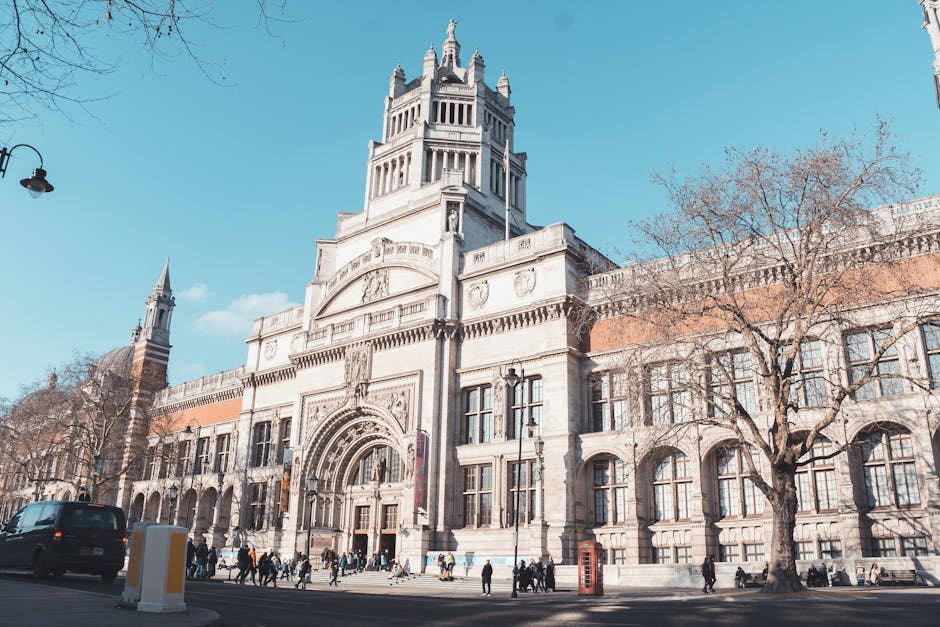
Pimlico is a central London district in the City of Westminster, set on the north bank of the River Thames and known for its planned residential character. Much of the area was developed in the nineteenth century, and its familiar streets of stucco terraces and garden squares give it a recognisable architectural identity. The layout is notably regular compared with some older parts of London, reflecting the orderly urban planning associated with the area’s main phase of development. Pimlico’s position places it close to Westminster, Belgravia and the riverfront, while still maintaining its own local feel. The district includes a mix of quiet squares, modest shopping streets and residential blocks, and several streets retain the characteristic rhythm of terraced housing that shaped the neighbourhood’s appearance. Among the better-known features are the grid of streets around Warwick Way and Lupus Street, together with the open spaces of local garden squares. The area is also associated with Tate Britain, which sits just to the north-east across the road network linking Pimlico to the wider Westminster district, and with the nearby Thames path and riverside landmarks. Pimlico station provides an Underground connection on the Victoria line, while Victoria station lies within easy reach and adds National Rail and Underground links. This combination of residential streets, civic connections and access to the river has helped Pimlico remain a distinct part of central London rather than simply an extension of surrounding districts.
Storage, same-day moves and straightforward short-notice options

Some removals do not end at the front door of the new property. Items may need to be held temporarily while decorating is completed, keys are exchanged or space is made ready. Our storage page is useful where a move needs an interim solution for furniture, boxes or mixed household goods. Storage can also help when only part of a home is moving immediately and the rest follows later, keeping the process more manageable.
Occasionally a move has to happen on short notice or within a tighter timetable than planned. For those situations, our same-day removals page describes a faster-paced option for jobs that need prompt attention. Not every removal can be accelerated, but where timing is the main concern, it helps to focus on what must move first and what can wait. A concise list of priority items makes that discussion easier and keeps the day realistic.
If you are comparing services, it is worth thinking about whether you need one trip, several trips or a combination of transport and storage. That decision often depends on access, the size of the load and how ready each property is for delivery. The more clearly the sequence is set out, the easier it is to organise the work with minimal disruption.
Choosing the right removals package
Not every customer needs the same level of support, and the best removal package is usually the one that fits the actual job rather than an idealised version of it. Our removal companies page can help when you are comparing providers, while removals gives a broad overview of the service range. Those pages are useful if you are still deciding whether you need a complete move, part-load help or a more tailored arrangement.
For some households, a standard domestic move is enough; for others, the most sensible option is a service built around the route, loading difficulty or timing of the day. That may mean choosing a van-based collection, a full-house move or a combination of moving and storage support. If you need to see a summary of what is included, the home moves page is a practical place to review how a domestic move can be organised. We keep the process focused on what is actually required rather than on unnecessary add-ons.
Use the comparison pages to narrow your options, then gather the key facts about what needs moving and where it is going. That simple step usually makes the quotation process easier and gives a more accurate picture of the work. If you are still unsure which option fits best, a brief enquiry can be enough to point you in the right direction. Request a quotation when you are ready.
Pricing, quotations and useful move preparation

Pricing for removals depends on practical factors rather than a fixed formula, because every move brings its own combination of access, distance, item type and time required. Our pricing and quotes page is the best place to understand how estimates are put together. A carefully described job can be assessed more accurately when the number of rooms, major furniture pieces and any handling complications are made clear from the start.
There are a few simple ways to prepare without overcomplicating the process. Keep boxes labelled, separate items that need special care and make sure there is a clear path for larger furniture. If the move involves a business premises, decide which items should be prioritised and which can be delivered later in the day. You do not need to solve every detail in advance, but a little preparation helps the removal run in a tidier sequence and makes it easier to compare options with confidence.
When you are ready to move forward, use the service pages to check the most suitable route for your job and then ask for a quotation. For matters relating to payment, insurance or policies, the relevant pages on the site provide the supporting information, while the main booking conversation stays focused on the move itself. Contact us to request a quotation.